License to Kill (Your Darlings)
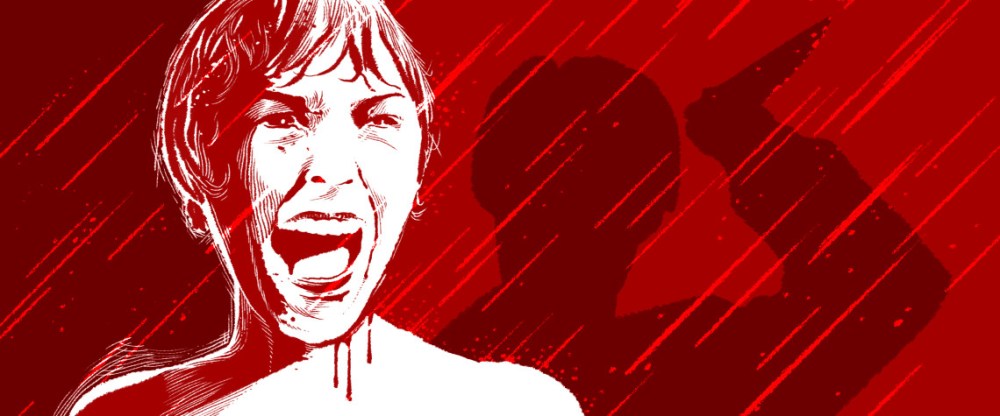 Being a good writer is any author’s goal. You struggle over every word, wanting every scene, every description to be as close to perfection as humanly possible. But, in today’s writing market, whether you are seeking out traditional publishing or doing it independently, you also have to be a fantastic editor. Beyond proofreading, you need to hone the skills that will help you recognize what’s working, what’s not, why it’s not and what you need to do. Basically, you have to be an assassin–one who is fully prepared to kill your darlings.
We already know that writing is all about the rewriting, but (and I can’t stress this enough) it is also about reading. Authors have to read their work with a hypercritical eye and go for the flow. Your story needs to read smoothly and clearly. You want the reader to breeze through the page, turn to the next and not want to put down your book until it’s done. And, sadly, that can mean deleting some of your best and most beloved assemblage of verbiage.
In screenwriting, every word on the page must drive the story forward. If not, it’s cut. If it’s a detail that’s not absolutely needed, it’s cut. No matter how good the scene might be, what emotion it might evoke, if it doesn’t drive the story forward…
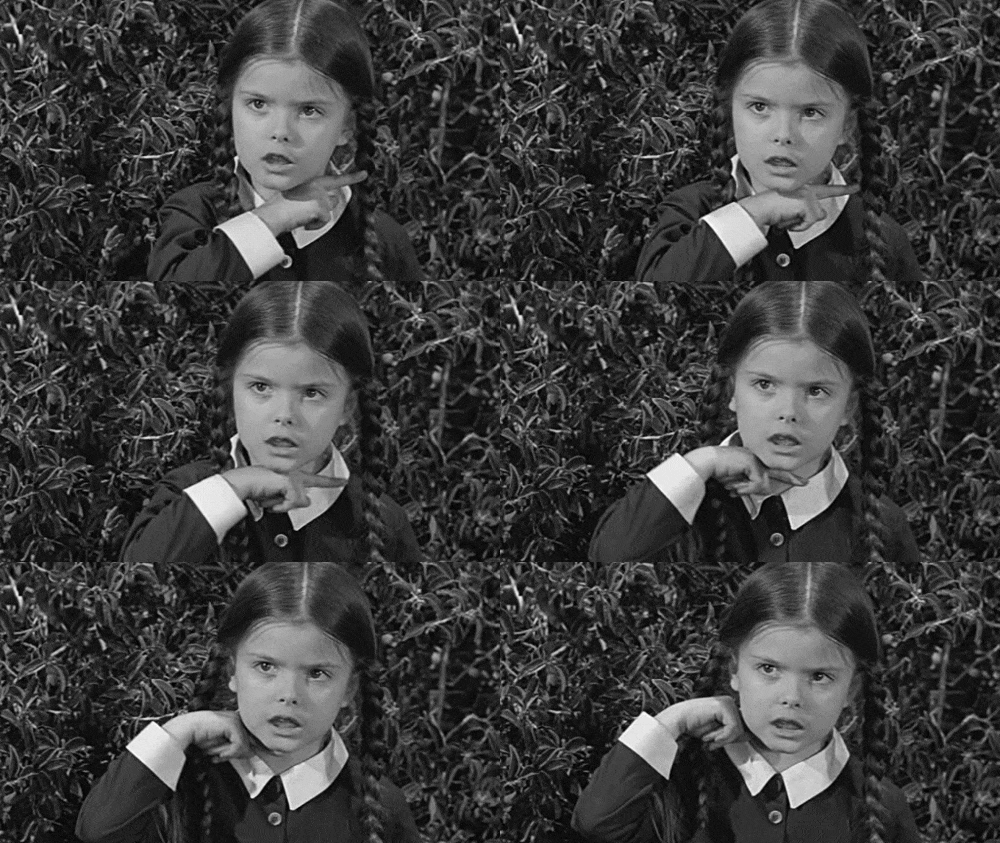
Many screenwriters crave the freedom of literary fiction so they can have room for a bit of purple prose every now and then. To be a fiction writer means you get to create a style and voice, a full expression of yourself. It’s almost like having your cake and eating it, too. And it can be too easy for a writer to go off the rails, become self-indulgent with tangents and flowery descriptions, scenes that take the reader nowhere all because the words are pretty.
Don’t be that writer.
The last thing you want readers to do is roll their eyes while reading your work. You want those orbs riveted to your words, not wondering why they hell you made those choices and dragged them away from the story.
Respect the reader. Kill your darlings.
Don’t get me wrong, it’s a hard thing to do. Very hard. But it must be done. It’s the only way to improve your work and have a better chance at standing out in a quite crowded and competitive field. If you’re ready to do the dirty work, here’s how:
1.) READ YOUR WORK. Yes, it’s that simple and obvious–and, yes, I know I’ve said this before–but it is too often overlooked. You have to read your work and be brutally honest about what’s not working and why. Sometimes, it’s as simple as changing a single word, deleting a sentence, moving a paragraph or seeing that the writing repeats itself, requiring a rewrite of one section and the deletion of another. Et, voila! You’re sorted. {By the way, I realize I do beat this deceased horse, but I can’t tell you how many manuscripts I read that haven’t been thoroughly read by their authors. Don’t glimpse. Don’t glance. Read it. Thank you.}
2.) CUT/PASTE/SAVE. If you can’t bear to simply delete, a Kill Your Darlings Cheat Sheet might be the weapon you need. I have a “Cuts and Edits” doc for each of my manuscripts to serve as a Potter’s Field of sorts. Having a place to put your darlings helps the ego to know that the beautiful prose you’re about to prune isn’t being thrown away but merely preserved “just in case” you do want it. I’ll admit that very rarely will I ever retrieve something from that doc, but I still like to have it handy. It makes hard decisions easier.
3.) WRITE AROUND IT. If you are damned determined to keep that darling in, you are going to have to structure everything around it to make it properly fit. I don’t recommend this, but it is an option. Chances are, after you put all that effort into shoe-horning that darling in, you’ll see the negative effect it has on that chapter and end up deleting it down the road. Sometimes the best lessons have to be learned the hard way. Write around it if you must.
4.) BE RUTHLESS. Why not? After all, they’re just words, and there are plenty of those lying about. Don’t be ruthless out of frustration; do it because you are brave. If it doesn’t work, cut it. If it’s not needed, cut it. If it doesn’t move you, cut it. Better writing just might come from it.
This isn’t easy. Not if you love what you’re writing. But killing off as many darlings as possible is necessary. Look, if you’re writing solely for yourself, you can be as indulgent as you’d like. But, if you want to have people read your work–especially paying readers–you have to view what you’re writing from their perspective.
Be that writer.
 It’s probably right after you press Post, Upload, Publish or Send that the myriad of flaws in your writing are discovered. Suddenly, reality sets in, clouds part and you can see clearly. No matter how many times you might have glanced at your work, you missed a few things. Maybe more than a few things. Embarrassing gaffs. Amateur errors. But now, it’s out there.

 Sandra Ann Miller
You must be logged in to post a comment.