Third Time’s A Charm
I’m currently writing my third novel. So far, that’s been comprised of repeatedly rewriting the first two chapters and watching a shit-ton of Netflix. I think I’ve watched every British crime series available and have found myself in awe of how, in all this time, the English are forever without an umbrella during a rainstorm, never seek shelter from it and talk on their bloody cell phones whilst standing in a downpour. Of course, these are fictional Brits, but still, it seems to be almost a fetish and it’s slightly galling.
Friends have noted how much I’ve talked about the watching (I have a long “recommend” list) but not so much about the writing. I get it. It sounds like a whole bunch of procrastination. Sometimes, it feels that way, too. But, while I’m making the most of my Netflix subscription, there’s another kind of work going on. The internal development is happening. Characters are taking shape, coming into their voices, scenes are evolving, dialogue exchanges noted. While I might appear slothlike, curled up on the sofa, I’m actually getting things done. A good portion of writing doesn’t look anything like writing at all.
Earlier this week, I had the pleasure of being at a book club where TEMPORARY served as this month’s novel. A few attendees asked me about my process and smiled, eyes wide with curiosity about how something like bookwriting is done. I gave them the Sorkin line: “Sometimes, writing looks a whole lot like lying on the sofa watching TV.” The smiles remained but I did see their enthusiasm deflate. “Really?” one asked. “Really,” I answered.
I went on to explain that the more I write, the more I find it to be like a pregnancy — from what I know about that in theory. In the early months, you are exhausted and slightly nauseated. You know there’s a long road ahead of you and you have to take care of yourself as well as this creature you’re creating. You can feel the quickening and know there are parts growing, developing into what you have envisioned and becoming something of its own.
Then, there’s the phase when you are full of energy. You cannot wait to do all the things you want to do…and there’s so much you want to do! That’s when the nesting starts; you don’t want to leave your home because you have to focus on this creation, spiffy things up and fortify its world. It’s a glorious time. However, unlike expectant mothers, writers don’t have shiny hair and glowing skin. This is where we get a bit pasty from lack of sunshine and couldn’t be bothered with hair and makeup and all that jazz because we are creating.
Finally, in those last few months, you simply want it over. Be done with it. You want to push, push, push to get it out get it out get it out because you are puffy with it, exhausted by it and you really want to get back to your real life. You sleep less, make hard choices faster and are sort of unpleasant to be around because, if you are around others, you tend to resent them because how dare they take you away from the push.
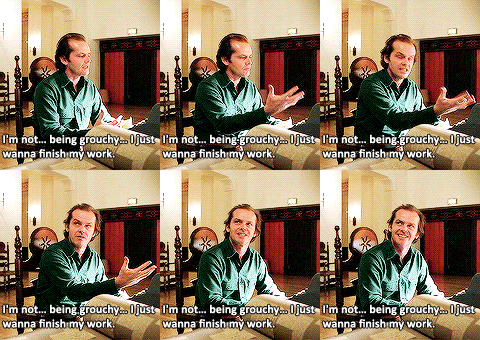
When these kind ladies asked how long it took me to write it, the eight months made even more sense and I was slightly chuffed at the anaolgy I just delivered. (They were all mothers and I can’t tell you how much I appeciated those ladies embracing a book about an unmarried woman with zero desire for kids.) Yet, I’ve come to find that when asking a writer about their process, those inquiring expect something other than how much “Broadchurch” you’ve viewed while tinkering with a page. What I think they expect, and sort of deep down want to hear, is, “Well, there is a bit of human sacrifice involved.” No one wants to hear how boring and isolating it is in between the elation and accomplishment.
What’s making this a bit different for me is that it’s the first time in a long time (twelve years) that I’ve written a book not based on something else I wrote. TEMPORARY started out as an idea for a telelvision series with three episodes written; so, basically, a fair chunk of that had been sorted. I’d done plenty of original screenplays in that time, but those have a lot more white on the page than a novel’s manuscript, a set page limit and strict structure. Screenplays are easy. Novels are a bit more of a pain in the arse. It should be comforting that I’ve had the story for Book Three in my head for nearly three years — I know where it’s starting, how it ends and key plot points to hit — but there are over twenty characters, three cities and a five-year time span, and it’s going to get complicated. Really complicated. See why I’d rather watch “Marcella”? But no one sits down to write a book because they want to do it. Writers write because we have to.
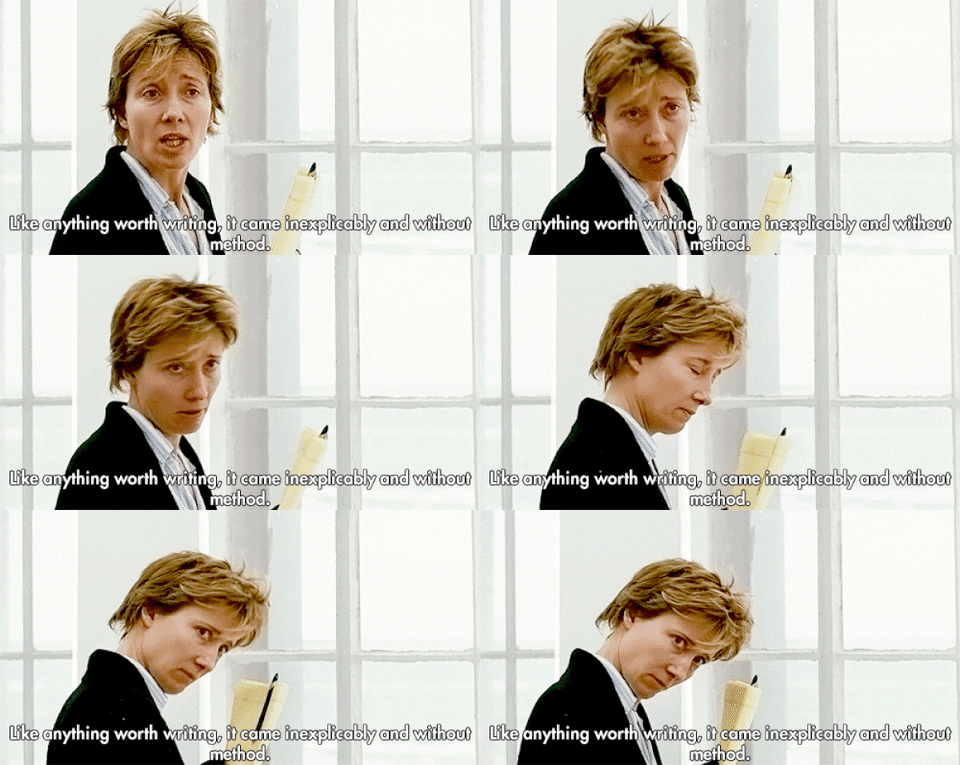
In some ways, this book feels charmed by those challenges. While I’ve been digesting “River” and “The Five” and “Paranoia”, the characters are coming to life, making some of their own choices (sounds weird, but it’s a writer thing) and the world is taking shape. But now it’s time to get down to business and start crafting the chapters, put those words and worlds and people on the page. I’m rather excited to see where it takes me.
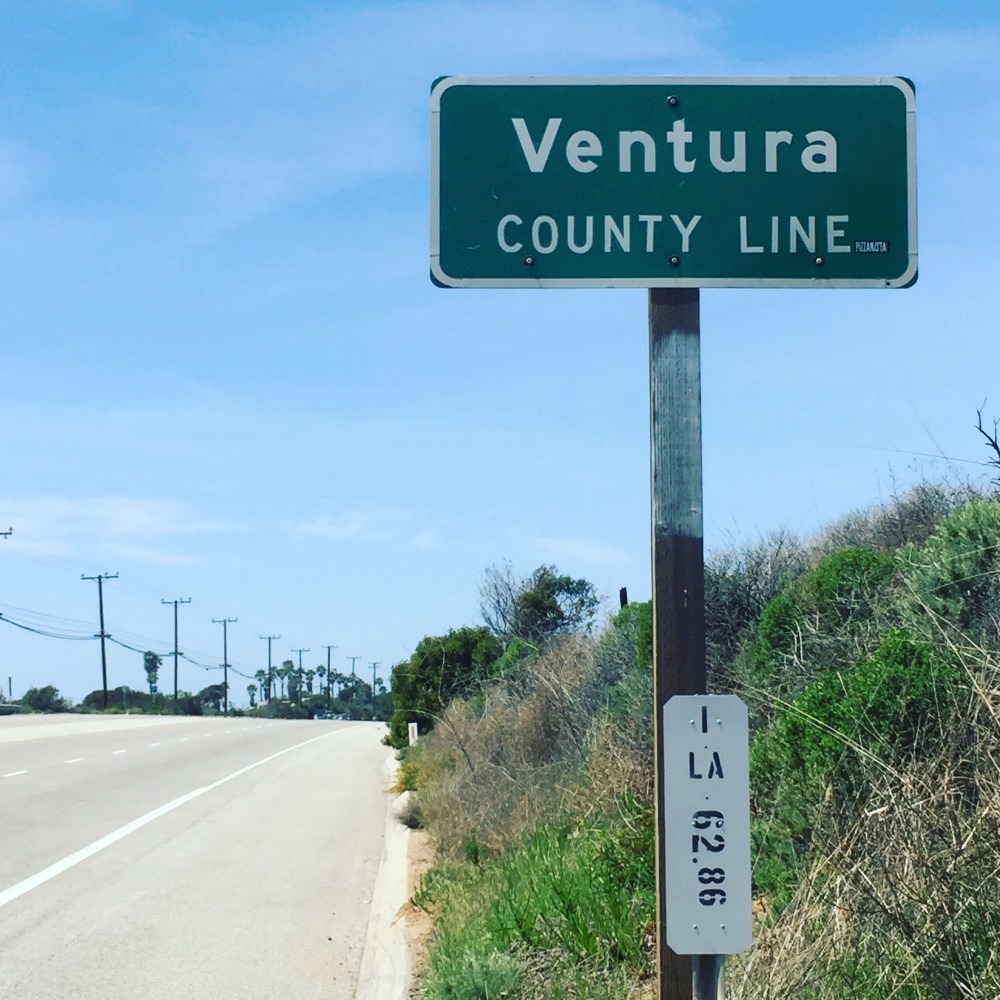
There are threads that weave through each novel to connect them, and not just their ZIP code, but this is likely the last in the Venice series. The first novel was about success, the second was about failure and the third is about compassion. Keep an eye out for EMOTIONAL INTELLIGENCE AT THE VENTURA COUNTY LINE early next year.
 Back in the late 1990s, women readers were flooded with waves of flawed heroines on the quest for success in career and relationships. And a lot of them liked to shop or had other such shallow obsessions. It was “empowerment light”, a feminine feminism that invited women to feel strong in high heels and fitted clothes, lipstick and long hair, say YES to wanting it all and OK if we didn’t get it but got close enough. It was post-feminist in that you could be a feminist without admitting that you were. [Side note: Just admit it. You’ll feel better.]
 Sandra Ann Miller
You must be logged in to post a comment.